
Renovating a bathroom involves numerous decisions that must work together. Cabinets, countertops, sinks, faucets, and plumbing connections all affect the final installation. When these elements are purchased separately, homeowners may spend considerable time checking dimensions and confirming compatibility.
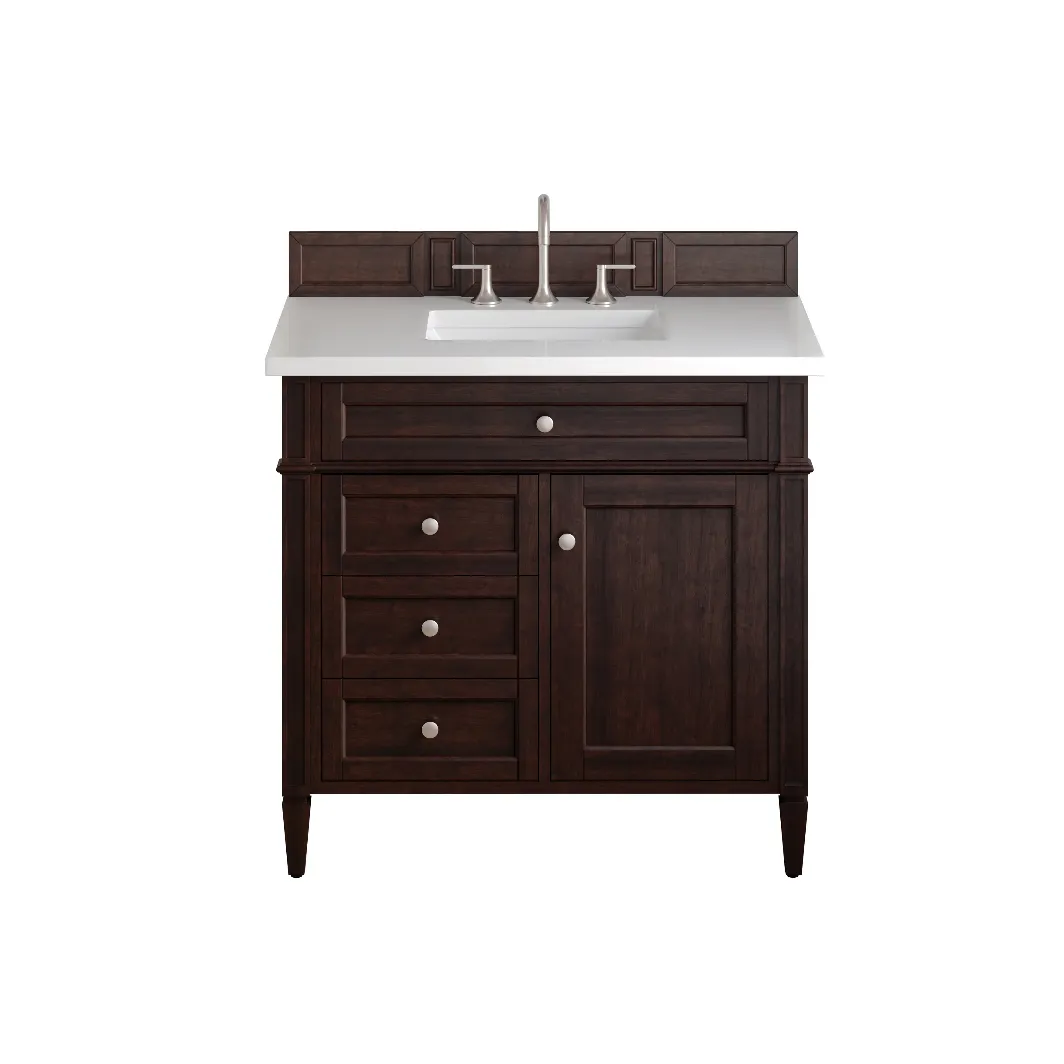
Choosing bathroom vanities with tops can simplify part of this process by bringing the cabinet and countertop into a coordinated configuration. However, understanding what is included, how the pieces fit together, and which additional components are needed remains essential.
The Challenge of Buying Components Separately
Purchasing a cabinet and countertop independently provides considerable flexibility. Homeowners can choose specific materials, dimensions, edge profiles, and sink arrangements to achieve a personalized result.
However, that flexibility introduces additional decisions. The countertop must properly fit the cabinet, support the intended sink installation, and accommodate the plumbing layout.
Even small dimensional differences can affect the finished appearance. Incorrect sink cutouts or insufficient countertop support may require modifications or replacement components.
A coordinated vanity-and-top configuration can reduce some of these compatibility concerns when the manufacturer has designed the selected pieces to work together.
What a Coordinated Vanity Package May Include
A vanity package typically combines a cabinet with a compatible countertop. Depending on the model, a sink may also be included or integrated into the countertop.
However, package contents vary. Some configurations exclude faucets, drains, mirrors, backsplashes, or installation accessories.
Homeowners should review product specifications carefully rather than assuming that every photograph shows items included in the purchase.
Confirming the complete component list before ordering helps prevent delays and allows the renovation budget to reflect the actual materials required.
Understanding Different Countertop Materials
Countertop selection influences the bathroom’s appearance, cleaning requirements, and everyday durability.
Quartz surfaces are popular for their relatively consistent appearance and generally straightforward maintenance. Natural marble offers distinctive veining, although its porous nature and sensitivity to certain substances can require additional care.
Other engineered materials may provide different combinations of color options, surface characteristics, and maintenance requirements.
No single countertop suits every household. The best choice depends on design preferences, manufacturer guidance, cleaning habits, and the conditions in which the surface will be used.
Why Sink Configuration Matters
Sink placement affects both countertop usability and how people move around the bathroom. A centered sink creates a balanced appearance, while an offset sink may provide more uninterrupted counter space.
Undermount sinks produce a relatively streamlined transition between the basin and countertop. Integrated sink designs can reduce the number of visible joints, depending on their construction.
Countertop openings must also match the intended faucet arrangement. Some tops accommodate widespread faucets, while others are drilled for single-hole fixtures.
Checking these details early prevents homeowners from purchasing attractive fixtures that cannot be installed without additional work.
Matching Cabinet Finishes With Countertops
A coordinated vanity does not eliminate the need for thoughtful material selection. Cabinet color and countertop finish influence whether the completed bathroom feels bright, warm, dramatic, or understated.
White cabinets with pale countertops create a clean appearance suitable for many interiors. Natural wood finishes introduce warmth, particularly when paired with lightly patterned surfaces.
Dark cabinetry can establish contrast against white or neutral stone. The resulting design may look especially effective when the surrounding walls and flooring remain relatively restrained.
Hardware, mirrors, and lighting should support the overall combination without making every finish identical.
Consider Delivery and Installation Logistics
Vanity packages may involve large, heavy, or fragile components. Homeowners should understand whether the cabinet and countertop arrive together, separately, or in multiple shipments.
Delivery arrangements can influence the renovation schedule. Inspecting packages promptly and following the seller’s damage-reporting procedures is important when receiving delicate surfaces.
Installation may also require more than placing the cabinet against a wall. Leveling, securing the vanity, connecting plumbing, and sealing appropriate joints should be handled according to product instructions.
Professional installation may be advisable when plumbing adjustments, heavy countertops, or unfamiliar connections are involved.
Finding the Right Balance Between Convenience and Choice
Coordinated vanity sets offer convenience, but they may provide fewer customization possibilities than individually selected components.
Homeowners should compare the available cabinet sizes, countertop finishes, sink arrangements, and included accessories before deciding.
A package is most useful when its dimensions and materials already match the intended project. Buying a coordinated set that requires substantial alterations can undermine the original convenience.
Taking time to confirm compatibility allows homeowners to benefit from a simplified purchasing process without compromising essential design requirements.
Conclusion
A coordinated cabinet-and-countertop purchase can make bathroom renovation planning more manageable, particularly when compatibility and installation details are understood in advance. Reviewing materials, package contents, and fixture arrangements remains an important part of the process. Bathroom Vanities Outlet provides vanity-and-top combinations that can help homeowners compare practical configurations while creating a bathroom suited to their everyday needs.