
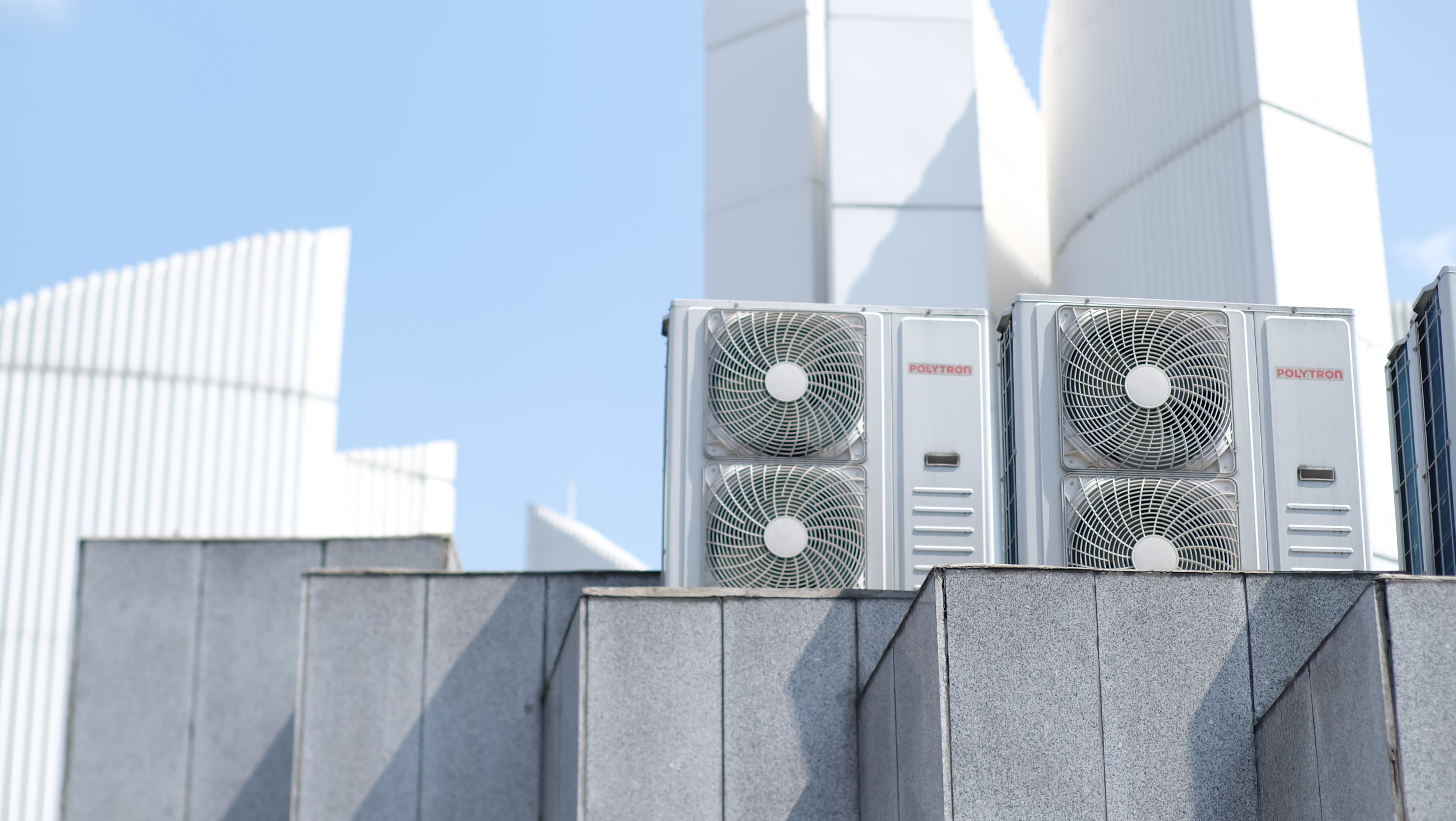
Modernising a commercial heating and cooling system requires more than replacing ageing equipment with a newer model. Businesses need to consider building occupancy, energy consumption, indoor comfort and the condition of existing infrastructure before deciding which improvements are appropriate. A well-planned upgrade can address persistent performance problems while helping the property meet its current heating, cooling and ventilation requirements.
For businesses considering commercial HVAC installation in Southwest Florida, local weather conditions make reliable cooling, humidity control and effective ventilation important planning priorities. Before choosing new equipment, property owners should assess how the existing system performs, identify operational weaknesses and establish clear objectives for the upgrade. This preparation helps ensure that investment decisions reflect the building’s actual needs rather than relying on equipment specifications alone.
Evaluate the Existing HVAC System
The first step is to review the condition and performance of the current heating and cooling equipment. Frequent breakdowns, uneven temperatures, unusual operating noises and rising energy bills may indicate that the system needs attention. However, these symptoms do not automatically mean that full replacement is necessary. A professional assessment can distinguish between repairable faults, maintenance issues and more fundamental limitations.
The review should also consider the system’s age, maintenance history, previous repairs and compatibility with the building’s requirements. Existing ductwork, controls, electrical connections and ventilation equipment may affect the scope of an upgrade. Identifying these factors early helps businesses understand which components can remain in service and which may need modification or replacement.
Assess Building Requirements and Occupancy
Commercial buildings have different heating and cooling demands depending on their size, layout, purpose and occupancy patterns. An office with changing daily occupancy may have different requirements from a restaurant, retail premises or industrial workspace. Before selecting equipment for commercial HVAC installation in Southwest Florida, assess the areas that require conditioning, the number of people using each space and the operating hours of the business.
Changes to the property can also affect the system’s capacity requirements. Renovations, additional equipment, new partitions or increased occupancy may alter how heat moves through the building. A qualified HVAC professional can carry out an appropriate load calculation using factors such as floor area, insulation, windows, orientation and internal heat sources. This helps avoid selecting equipment that is either undersized or unnecessarily large.
Compare Energy Efficiency and Operating Costs
Energy consumption is an important consideration when modernising commercial HVAC equipment because heating and cooling can contribute significantly to a building’s operating expenses. Reviewing utility bills and existing system performance can help establish a useful baseline. Businesses should consider whether high consumption results from inefficient equipment, poor controls, restricted airflow, inadequate maintenance or the building’s wider energy performance.
When comparing replacement options, look beyond the initial purchase price. Assess the equipment’s efficiency ratings, expected maintenance requirements, warranty terms and suitability for the property’s operating schedule. Variable-speed equipment, programmable controls and zoning may offer benefits in appropriate applications, but their value depends on the building and how the system will be used. A realistic comparison should consider installation costs alongside anticipated operating and maintenance expenses.
Review Ventilation and Indoor Air Quality
A commercial HVAC upgrade provides an opportunity to examine ventilation and indoor air quality rather than focusing solely on temperature control. Poorly maintained filters, insufficient outdoor air, obstructed vents and inadequate moisture management can affect indoor conditions. Depending on the building’s use, these issues may contribute to stale air, persistent odours or uncomfortable humidity levels.
Businesses should assess whether existing ventilation meets applicable requirements and whether the system can manage indoor moisture effectively. In Southwest Florida, high outdoor humidity can make moisture control particularly important. A contractor can review ventilation rates, filtration, condensate drainage and duct condition, then recommend suitable improvements based on the property’s needs. Filtration and ventilation serve different purposes, so both should be considered when planning a complete upgrade.
Plan Installation Around Business Operations
Commercial HVAC modernisation can involve equipment delivery, electrical work, duct modifications, controls installation and system testing. These activities may affect staff, customers and day-to-day operations, particularly when the building must remain open during the project. Establishing a realistic schedule and identifying areas that require temporary cooling arrangements can help minimise disruption.
When arranging a commercial HVAC project, businesses should request a detailed proposal outlining the equipment, work involved, estimated schedule, responsibilities and any necessary permits. Confirm that the contractor is appropriately qualified and familiar with relevant building requirements. The final plan should also include commissioning, which involves checking that the installed system operates as intended, alongside instructions for staff and recommendations for ongoing maintenance.
The Bottom Line
Modernising a commercial heating and cooling system starts with understanding the existing equipment, the building’s changing requirements and the reasons behind current performance problems. Assessing energy consumption, ventilation, humidity control and maintenance needs helps businesses identify priorities and compare suitable solutions more effectively.
Careful planning also reduces the risk of selecting unsuitable equipment or overlooking work required elsewhere in the system. By working with a qualified HVAC professional, reviewing whole-life costs and planning installation around business operations, property owners can make informed decisions that support reliable performance, indoor comfort and efficient building management.