
Walk into a home that feels premium, and you’ll probably assume the owners spent heavily on every room. Most of them didn’t. They spent properly on a few things, kept the rest simple, and didn’t let money drift into places where it makes no difference. The homes that go wrong are often the ones where the budget is spread evenly across every room and every item, so nothing gets enough to be done well.
This is a practical way to decide where your money should go, room by room. It won’t make a small budget look like a large one, but it will stop you paying for things nobody notices while you skimp on the things you’ll notice every day.
The Rule I’d Use: Spend on What’s Hard to Change
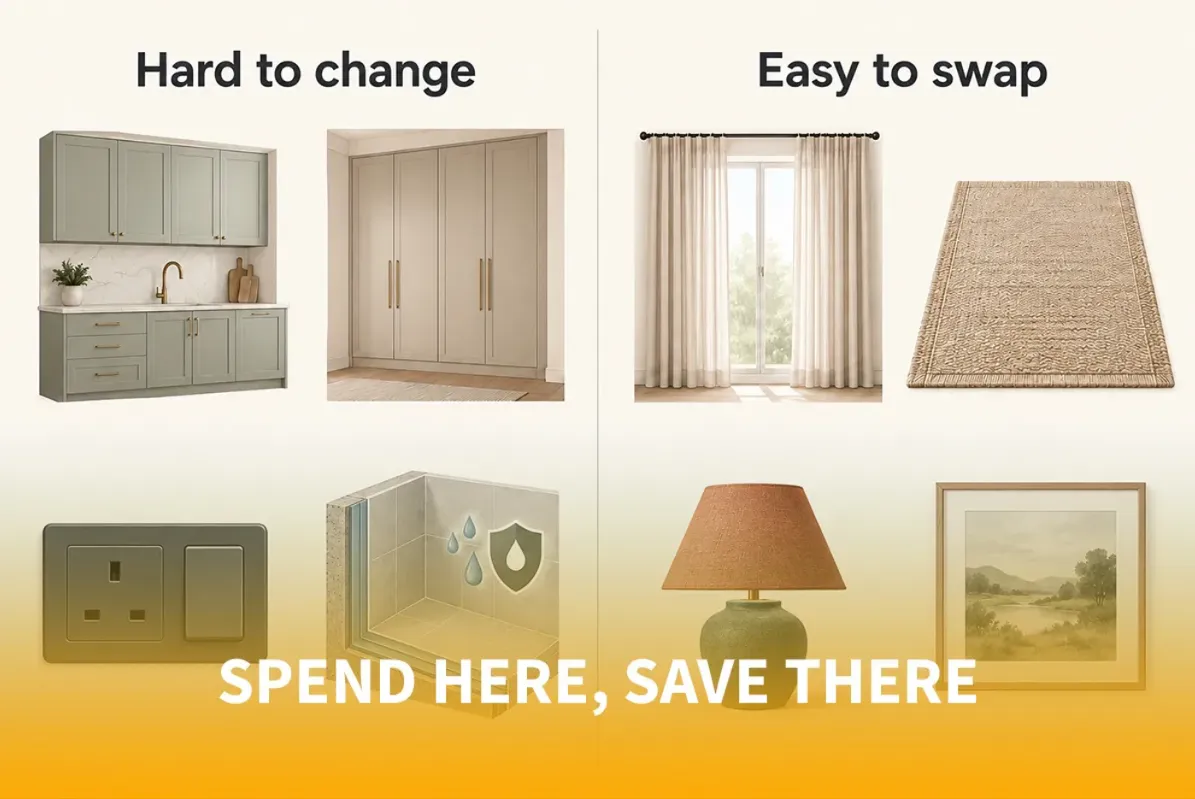
Ask one question about every item on your list: how painful is it to change later? Wardrobe carpentry, kitchen cabinets, electrical points, plumbing positions, the false ceiling and waterproofing are built into the house. If they’re wrong or weak, fixing them means breaking something. Curtains, rugs, lamps, cushions, wall art and most loose furniture can be swapped in an afternoon.
Put the money into the first group. Keep the second group modest and upgrade it slowly, as you can afford to. A home looks premium when the things you can’t swap are done well and the things you can swap are chosen with some care. Nothing in it needs to be expensive just for the sake of it.
Room by Room: Where to Spend and Where to Save
Entrance
People often pay for a decorative door panel or a console with a feature wall and then forget the shoe storage. Spend on a shoe unit with closed shutters, one good light and a mirror. Skip the heavy panelling. A clean entrance with nothing lying around looks more expensive than a decorated one with chappals piled up in front.
Living room
Spend on the sofa, since you sit on it every day, and on the TV unit carpentry and the lighting plan, because both are hard to redo. Save on the centre table, side tables, showpieces and curtains, which are easy to upgrade later.
A full-height feature wall in an imported material costs a lot and is often the first thing to feel dated. One wall in a good paint finish with a wall light on it gets you most of the look for far less.
Kitchen
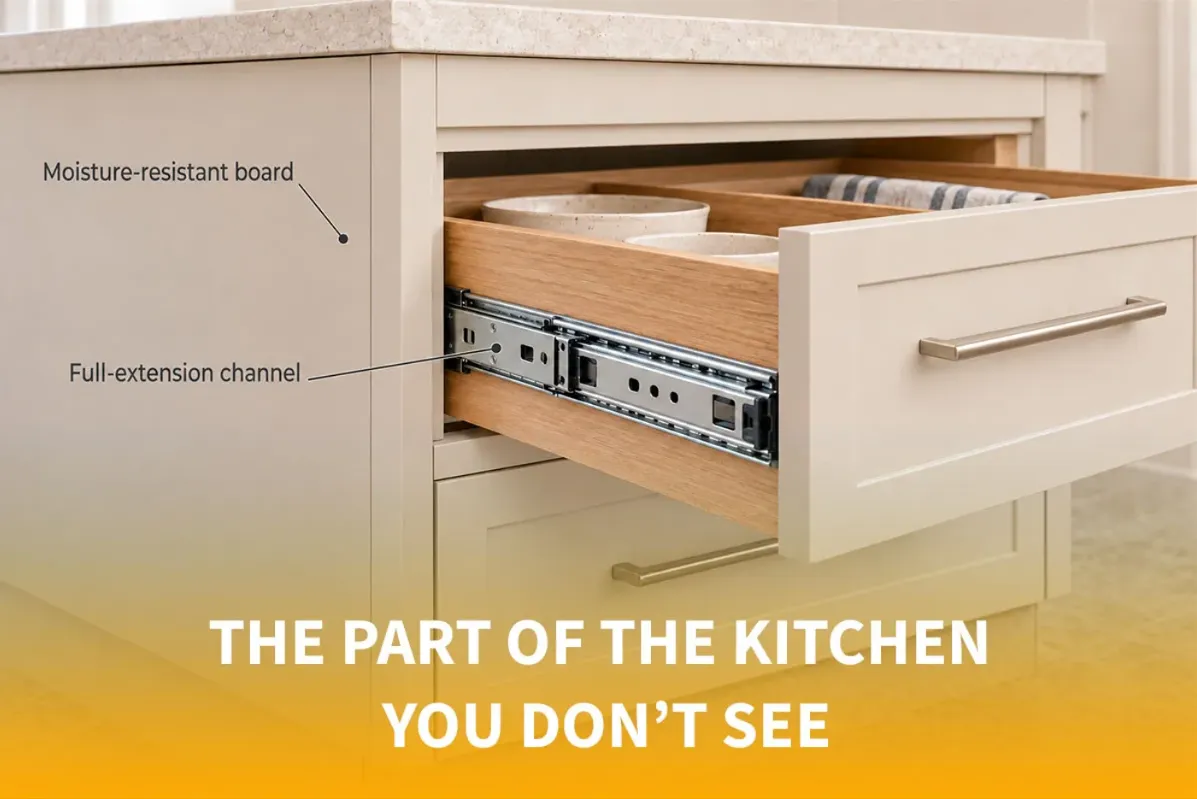
Cutting corners shows up here first. Spend on the board, the hardware, the chimney and the counter. Save on the shutter finish, because a good laminate over a moisture-resistant board will outlast an expensive finish over a weak one. Don’t buy a dozen accessories in the first month either. Add pull-outs later, once you know how you actually cook.
If you want to see how a kitchen can be planned around a budget, Dezinepro’s modular kitchen design in Bangalore page is one place to look.
Master bedroom
You spend about a third of your day here, so the bed, the mattress and blackout curtains deserve the money. The inside of the wardrobe matters more than the outside: drawers, a loft and hanging space planned around your own clothes. Skip wall-to-wall panelling. A painted or padded headboard wall with soft light on either side gives you a calm room for much less.
Dezinepro’s master bedroom interior design page gives you something to compare with.
Kids’ and guest rooms
These rooms change. A child’s needs at six are not the same at twelve, and a guest room is used a few weeks in a year. Keep the carpentry simple, go for plain wardrobes and add colour through bedding or one painted wall you can redo. A themed room that’s outgrown in two years is where a lot of budgets quietly go.
Bathrooms
The expensive part is the part you can’t see: waterproofing, plumbing and drainage. Get that right first. After that, use the premium tile on one wall only, such as behind the vanity or inside the shower, and a simpler tile on the rest.
Five Inexpensive Things That Make a Home Look Pricey
• Matching handles and switch plates. Pick one finish and use it through the house.
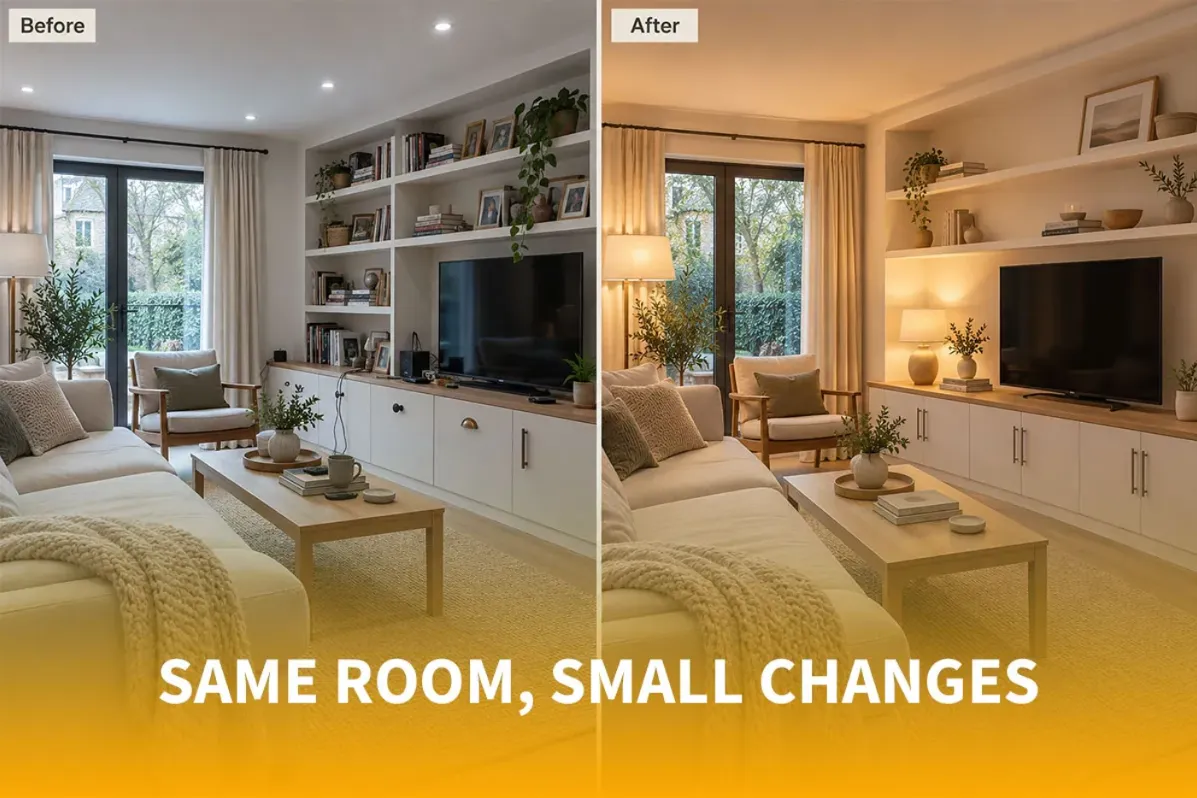
• Warm light. Swap cool white bulbs for warm ones and add a couple of table lamps.
• Fresh paint on the ceiling, doors and skirting. Clean edges make a plain room look finished.
• Hidden clutter. Closed storage, tucked-away wires and boxed-in AC pipes do more than any decor.
• One good piece. A large mirror, a statement chair or one proper artwork beats ten small accessories.
Where Saving Money Costs You More Later
• Cheap hinges and channels. They’re the first thing to sag or jam, and replacing them later means taking the unit apart.
• Ordinary board in the kitchen or wet areas. It swells after a couple of monsoons, and no finish on top will hide it.
• Too few electrical points. You end up with extension boards running across the floor, which no amount of styling can fix.
• Dropping the lighting plan. Adding spotlights after the false ceiling is done means cutting into it again.
• Skipping wall preparation before painting. Patches and cracks show up quickly, especially under warm light.
Plan the Budget Before the Design
Decide your total first, then split it by room before any design is approved. Give more to the kitchen and the master bedroom, which you use daily, and less to rooms you rarely use. Ask your designer for a room-wise quote so you can see where the money is going and move it if you need to. Keep a buffer for the things you didn’t expect, because most homes have a few.
It also helps to work in two phases. Do the built-in work first: carpentry, electrical, false ceiling and painting. Then add loose furniture, rugs, curtains and art over the next year, when you know what the rooms actually need.
A Word on Dezinepro
Dezinepro has been working in Bangalore since 2004 and makes its modular furniture at its own manufacturing facility in Dasanapura. A project starts with a consultation and site measurement and a talk about budget and style, followed by a 3D design concept and a fixed-cost quote. If you’re looking at affordable luxury interior design in Bangalore, a room-wise, fixed-cost quote is worth asking any designer for.
In short,
A premium-looking home isn’t the one with the biggest budget. It’s the one where the money went into things that last, the rest was kept simple, and nothing is lying around. Work out what’s hard to change, spend there first, and let the rest grow with the house.
FAQs
Can a home look premium on a limited budget?
Yes. Put the money into what’s hard to change, like carpentry, board, hardware, electrical points and waterproofing, and keep loose items simple. A tidy, well-lit home with good basics looks more premium than a decorated one with weak fittings.
Which rooms should get the biggest share of the budget?
Usually the kitchen and the master bedroom, since you use them every day and they have the most carpentry and hardware. Kids’ and guest rooms can stay simpler.
What should I never cut to save money?
Moisture-resistant board in the kitchen and wet areas, decent hinges and channels, enough electrical points and proper waterproofing. These are hard and costly to fix once the work is done.
Is it better to do the whole home at once or in phases?
Built-in work like carpentry, electrical, false ceiling and painting is best done together at the start. Loose furniture, rugs, curtains and decor can be added over time.
How do I keep the cost under control during the project?
Ask for a room-wise quote with the exclusions listed, get every change in writing before it’s done, and keep a buffer for unexpected work.
About Dezinepro: Dezinepro is a Bangalore interior design company operating since 2004, with its own modular furniture manufacturing facility in Dasanapura. It covers modular kitchens, bedrooms, living rooms, wardrobes and full home interiors. Visit dezinepro.com to learn more.